Change notification for validated stainless parts: what your shop must tell you first
November 21, 2026
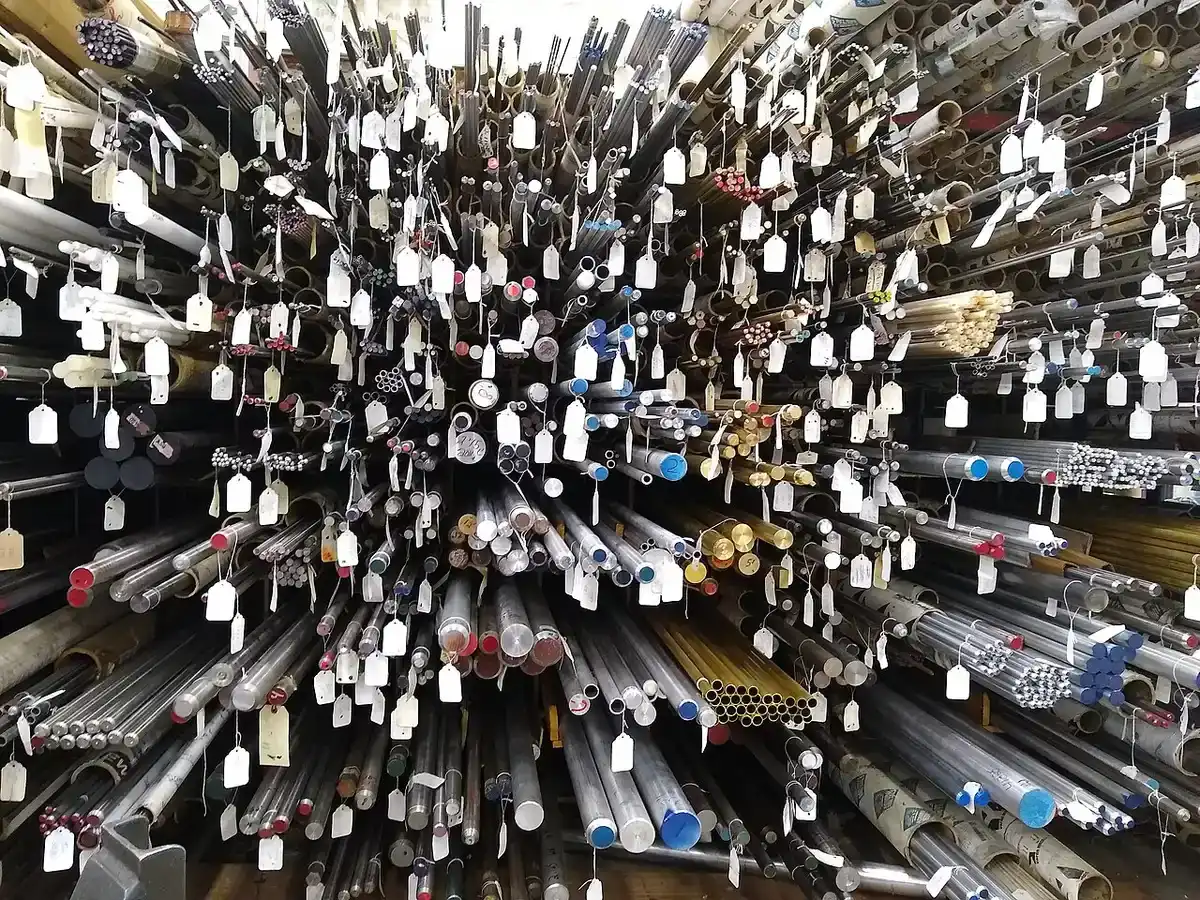
A medical or food buyer rarely loses a part to a bad machine. The loss comes from a change nobody mentioned: a new bar mill, a different passivation house, a cleaner swapped for a cheaper one. Each can be sound. The risk is that the buyer finds out from a rejected lot instead of a notice. This guide gives you the list of changes to ask a stainless shop to announce before it makes them, and the form and clause that make the request enforceable.
Why an unannounced change is the real risk
An approved part is an approved combination of material, machine, method and people. You qualified one set of them. Change one and the evidence you hold describes a part that is no longer being made.
Both major quality standards put this duty on the buyer and on the shop. ISO 13485:2016 clause 7.4.2 covers purchasing information. The MDSAP audit approach (hosted by FDA; the revision we read, P0002.009 of August 2024, predates the QMSR, so check the current one) says that, where possible, the purchasing information should contain an agreement that the supplier will notify changes in products or services that may affect the quality of the finished device, and that the maker should approve or reject the change according to its impact. On the shop side ISO 9001:2015 clause 8.5.6 requires a controlled way of reviewing and authorising changes before they take effect, and clause 8.4 expects an organisation to manage changes in what it buys from outside. Check the clause numbers in the edition your customer cites: ISO 9001:2026 was published on 16 September 2026, and an Advisera comparison lists these clauses as keeping their numbers.
None of this protects you if the agreement is not in your purchase terms. The shop will have its own change procedure, but it will not know which changes touch your approval.
The 4M view: man, machine, material, method
Many manufacturers sort changes into four groups, known as 4M: man, machine, material and method. It is a useful buyer checklist because it covers what shops tend to forget to announce.
| Group | Examples in a stainless shop |
|---|---|
| Man | New operator on a critical step such as final inspection or passivation, change of the person who signs the certificate |
| Machine | A different machine or a repaired one, a new program version, a changed fixture or work holding |
| Material | New bar mill, new heat from the same mill, a different supplier of the same grade, a change of storage |
| Method | Changed process settings, new passivation method, new cleaning agent or sequence, a different inspection method |
You do not need all of it for every part. Pick the groups that carry your validated or qualified steps, and write only those into the order.
Stainless-specific triggers: bar source, passivation chemistry, cleaning agent
Three changes come up on stainless more than any others.
Bar source. The grade name does not fix the chemistry. Two bars of 316L from different mills can differ in sulphur, nickel or nitrogen within the specification, and they cut and finish differently. Ask for notice of any change of mill, melt or heat, and ask for the new mill certificate before parts ship. Where origin matters, see the melt and pour guide.
Passivation chemistry and vendor. ASTM A967 covers nitric acid immersion, citric acid immersion and electrochemical treatment, and it makes no recommendation of grade, treatment or acceptance criteria for a given use. That choice is yours. If your drawing names one method, a shop that moves to another has made a process change even though both are in the standard. The citric against nitric guide compares the two. A new finisher brings new baths, new records and a new certificate, so ask for notice of that too.
Cleaning agent and sequence. ASTM A380 covers cleaning, descaling and passivating of new stainless parts, and says “passivation” has several meanings, so the purchaser should define the one intended. A change of cleaner, rinse water or order of steps can leave residues that a part for the body or for food contact must not carry. The cleaning guide lists the steps between machining and packing.
Coolant and cutting oil belong on the same list if your cleaning requirement names a residue limit.
What a change notice should contain
A useful notice answers the questions your quality person would ask anyway. Ask for these in writing:
- The part number and drawing revision, and the orders affected.
- What changes, from what to what.
- Why it is changing.
- The date the shop wants to make the change and the first lot it would apply to.
- What testing the shop has done on the change, with results.
- The shop’s own risk view: which characteristics could move.
- A named contact who signed it.
The form further down is built around those seven points.
The change checklist
| Change | Notify before | Evidence the buyer may ask for |
|---|---|---|
| New bar mill, melt or heat source | First order using it | Mill certificate for the new heat, grade check on receipt, first article report |
| New passivation vendor | First order using it | Vendor’s process record, certificate per lot, test method used |
| Change of passivation method or acid | Before the change | Method and standard named on the certificate, test result |
| New cleaning agent, rinse or sequence | Before the change | Cleaning procedure, residue test result if your requirement has one |
| Coolant or cutting oil change | Before the change | Safety data sheet, cleaning record after the change |
| Different machine or site | Before the first lot | First article report from the new machine, program version |
| New fixture, program or tool material | Before the first lot | First article or a comparison report on the characteristics affected |
| Inspection method or gauge | Before the change | Gauge record, comparison against the old method |
| New subcontractor for any step | Before the first lot | Approval record, scope of work, certificate path |
| Key operator or signer on a critical step | At the next audit or on request | Training or qualification record |
Need a quote for this part? Get a quote for your stainless parts
Approving, testing or refusing a change
Treat each notice as a small decision, and answer it in writing within a time you set in advance.
- Approve. The change is low risk and evidence is enough. Note the lot where it starts.
- Approve with a test. Ask for a trial lot, a first article report or a witnessed test. Pay for that as an order, and agree on it first.
- Refuse. The change would void your approval or affect the finished product. Say what you need instead, such as continued supply from the approved bar source.
- Ask for more. Send the questions back. The clock stops until you hear.
Keep the notice, your answer and the evidence in the supplier file. An auditor who asks how you control suppliers wants to see that trail.
Change notice form template
Change notice Supplier: [shop] Date: [date] Notice number: [number] Part number and revision: [part] Rev [letter] Orders affected: [PO numbers] Change group: man / machine / material / method (circle one or more) Description of change, from: [current] to: [new] Reason for change: [reason] Planned start date and first lot: [date, lot] Testing or trials done and results: [attach] Characteristics that could be affected: [list] Evidence attached: [mill certificate / first article report / process record / other] Signed by (shop): [name, role] Date: [date] Buyer decision: approved / approved with test / refused / more information. Signed: [name, role] Date: [date]
Putting the clause in the PO
Quality agreements and purchase terms differ, so ask your quality or legal contact to adapt this wording. A plain version looks like this:
The supplier shall notify the buyer in writing, at least [number] days before making it, of any change to the material source, machine, site, subcontractor, passivation or cleaning method, inspection method or the process steps named in the approved route for this part. The supplier shall not ship parts made after such a change until the buyer has approved it in writing.
Name the route, the finishing method and the bar source in the order itself, so the clause has something to point at. The what to put in a stainless RFQ guide shows where those details sit. The ISO 13485 against ISO 9001 guide explains what each certificate does and does not cover.
Next step
When you send an RFQ, state the change notification clause you need and which steps are validated, so shops quote with that in mind. We send one itemised quote within 24 business hours and place the work with partner shops that cut stainless. You deal with one contact, and we answer for the parts.
Sources
- MDSAP Audit Approach, MDSAP AU P0002.009, hosted by FDA, purchasing information and written agreement to notify changes
- ASTM, A967/A967M passivation specification (store page), scope
- ASTM, A380/A380M cleaning, descaling and passivating (store page), scope
- The Core Solution, ISO 9001:2015 clause 8.5.6 explained, secondary summary
- The Core Solution, ISO 9001:2015 clause 8.4 explained, secondary summary
- LRQA, ISO 9001:2026 is live, publication date and transition
- Advisera, ISO 9001:2015 vs 9001:2026 main differences, clause numbering
- CREX, what is 4M change management, 4M groups, in Japanese
- Wikimedia Commons, Lampin metal rods and pipe, image source

This guide names clauses and does not give regulatory advice. Confirm requirements in your quality agreement.
Frequently asked questions
What changes must a shop tell me about before it makes them?
At minimum the bar source or heat, the passivation or cleaning vendor and method, the machine or site and any change to inspection. Write the list into the purchase order, because a shop cannot guess which changes matter to your approval. A change that looks small to the shop can invalidate evidence you hold.
Does ISO 13485 require suppliers to notify changes?
ISO 13485:2016 clause 7.4.2 asks the device maker, where possible, to include in its purchasing information an agreement that the supplier will notify changes to the product. The MDSAP audit approach adds that the maker should then approve or reject the change. The agreement has to be in your purchase terms; it does not appear by itself.
Is a change from nitric to citric passivation a process change?
Yes. ASTM A967 lists nitric acid, citric acid and electrochemical treatment as separate methods, and the standard leaves the choice to the purchaser. If your drawing or approval names one, a shop that switches has changed the process and should ask first, even if both meet the standard.
How much notice should I ask for?
There is no public standard figure. Set it by how long you need to review: the time to read the evidence, run a test lot and update your own records. State it in days in the purchase terms and ask the shop to confirm it is workable before the first order.
Need a quote for this part?
Send the drawing. We read it, send one itemised quote within 24 business hours and place the work with a partner shop that cuts stainless.
Get a quote for your stainless partsFigures in this guide are published specification limits or published typical values for the alloy, not measurements of any part. Machinability is rated against free-machining carbon steel B1112 at 100 and PREN is chromium plus 3.3 times molybdenum plus 16 times nitrogen. The conventions are set out in thereference section and the editorial standards.