How to prove a machined part is passivated: the ferroxyl, copper sulfate and humidity tests compared
November 4, 2026
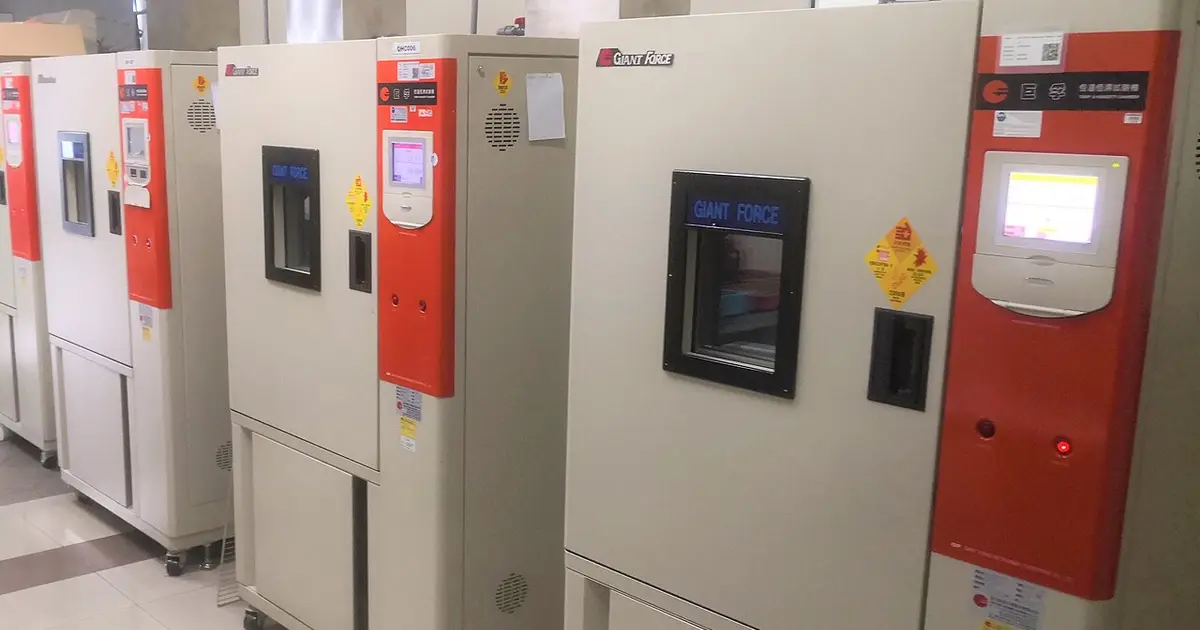
The passivation tests answer one narrow question: did the treatment remove free iron and other contamination from the surface? ASTM A967, the usual passivation specification, lists seven practices to check that, and ASTM A380 adds the ferroxyl test. All are qualitative, none rates the grade’s corrosion resistance and the standard leaves the choice of test to the purchaser. If your order says only “passivate and test”, you have not chosen one.
What A967 says the tests are for
The ASTM listing for A967/A967M-25, Chemical Passivation Treatments for Stainless Steel Parts, states that its tests are qualitative and intended to confirm the effectiveness of passivation. It also states that it makes no recommendation on the suitability of any grade, treatment or acceptance criteria. The abstract adds that parts must be thoroughly rinsed immediately after the bath and should show a chemically clean surface, with no etching, pitting or frosting on visual inspection.
The standard covers three treatment families: nitric acid immersion, citric acid immersion and electrochemical treatment. Which one suits your part is a separate choice, covered in the citric against nitric guide and the passivation against electropolishing guide.
The seven practices and the ferroxyl test
The listed practices are A water immersion, B high humidity, C salt spray, D copper sulfate, E potassium ferricyanide-nitric acid, F damp cloth and G boiling water immersion. The exposure parameters sit in the purchased standard. The figures below come from a passivation service’s summary of A967-25 and from test kit suppliers. Treat them as directional and take the real numbers from the standard your order cites.
| Practice | What it does | Parameters in supplier summaries | Grade cautions |
|---|---|---|---|
| A, water immersion | Wet and dry cycles in distilled water, then look for rust | About 1 hour wet and 1 hour dry, at least 12 cycles | Suits most grades |
| B, high humidity | Humidity chamber, then look for rust or stain | About 97 percent RH at 35 to 40 °C for at least 24 hours | Slow, but gentle on low alloy grades |
| C, salt spray | Salt fog per ASTM B117 | At least 2 hours | Low alloy ferritic and martensitic grades can fail from the alloy, not the passivation |
| D, copper sulfate | Copper plates out where there is free iron | Surface kept wet at least 6 minutes, then rinse and inspect | Not for martensitic 400 series or ferritic grades under about 16 percent Cr |
| E, ferricyanide-nitric | Blue colour shows iron, fast and dark means metallic iron | Timing varies by source | Not for ferritic or martensitic 400 series, and one source says not on food processing parts |
| F, damp cloth | Wet pad held on the surface, then look for rust | At least 1 hour | Mild test |
| G, boiling water | Hot immersion, then look for rust | 95 to 100 °C for at least 30 minutes | Mild test |
The ferroxyl test is not an A967 practice. ASTM A380, the cleaning and descaling practice, lists it with the solvent ring, black light and atomizer tests as a precision inspection method. It uses the same idea as Practice E, a ferricyanide and nitric acid reagent that turns blue on iron. Reagent strength, contact time and reading time are set in A380 and in the A967 practice, and we could not open either text, so the order has to name the document, the practice and the contact time, not just “ferroxyl”.
Which test for which part
Austenitic parts in medical and food work are the easy case. 303, 304 and 316L suit copper sulfate or the ferricyanide test, and these two are the quick ones a passivation house can run on a lot before shipping. A supplier guide lists precipitation hardening grades such as 17-4 PH as suitable for copper sulfate too. Our 17-4 PH guide covers the condition and ageing questions.
Martensitic grades are the hard case. On 410, 416, 420 and 440C the chemical tests can give a false failure because the alloy itself reacts, as the hardenable stainless guide explains for corrosion resistance in general. A passivation summary says a failure on these grades does not automatically mean the bath failed. For those parts, name a gentler test such as humidity, damp cloth or boiling water, and agree the pass criterion in advance.
Two details catch buyers out. A supplier guide says the copper sulfate test is not recommended on laser-marked areas, so ask where on the part the test is run. And the summaries disagree on whether copper sulfate or ferricyanide can be applied to parts for food processing, so if the part is for food, ask the passivation house to confirm in writing which practice it will use.
Need a quote for this part? Get a quote for your stainless parts
What to write on the order
- Cite the document and revision, for example ASTM A967/A967M-25, and the treatment method you want.
- Name one test practice by letter, or the A380 ferroxyl test if that is what your customer’s specification uses, and its pass criterion.
- State the sample. A summary of A967 says one verification test per lot is enough unless the purchaser asks for more, and that a failed lot may be re-passivated and retested with the sample count doubled. Say whether you want more than that.
- Ask for the result on the certificate: practice, lot, date and operator, next to the passivation certificate your medical or food buyer expects.
- Clean parts first. The tests find iron the parts picked up, so a part carrying cutting residue will fail for the wrong reason. The cleaning steps guide covers the washing order before the bath.
None of this tests chloride resistance. A part that passes copper sulfate can still pit in seawater, and the crevice and stress corrosion guide covers that.
To get quotes that include passivation and a named test on the certificate, send the drawing through the RFQ form and write the practice letter in the notes. We send one itemised quote within 24 business hours and place the work with partner shops that cut stainless. We own no machines.
Sources
- ASTM A967/A967M-25, Chemical Passivation Treatments for Stainless Steel Parts (ASTM)
- ASTM A380/A380M-25, Cleaning, Descaling, Pickling and Passivation (ASTM)
- Sourcima, Passivation testing and verification, supplier summary of A967-25, directional
- Citrisurf, copper sulfate passivation test kit, supplier instructions, directional
- Astro Pak, Unpacking ASTM A967, passivation service overview, directional
Standard revisions and test parameters are as published on the dates above. Confirm the exact parameters in the purchased standard before you write them on an order.
Frequently asked questions
What tests prove stainless steel parts are passivated?
ASTM A967 lists seven qualitative practices: water immersion, high humidity, salt spray, copper sulfate, potassium ferricyanide-nitric acid, damp cloth and boiling water immersion. ASTM A380 lists the ferroxyl test among its precision inspection methods. The purchaser picks which one applies, and the standard gives no acceptance criteria of its own.
Is the ferroxyl test the same as the A967 ferricyanide test?
They use the same chemistry, a ferricyanide and nitric acid solution that turns blue on free iron. ASTM A380 names the ferroxyl test, and ASTM A967 Practice E names the potassium ferricyanide-nitric acid test. Contact time and reagent handling are set in the standards themselves, so the order should cite one document and one practice.
Can I use the copper sulfate test on 17-4 PH or 420?
Supplier guidance says the copper sulfate test suits austenitic 200 and 300 series, precipitation hardening grades such as 17-4 PH, and ferritic 400 series with at least 16 percent chromium. It is not recommended for martensitic grades such as 420 or for ferritic grades under about 16 percent chromium, because they can show copper without any iron contamination.
Does a passed passivation test mean the part will not rust?
No. The tests confirm that contaminant iron and other foreign matter were removed. They do not rate the grade's pitting resistance, and A967 states it makes no recommendation on the suitability of any grade or on acceptance criteria. Chloride resistance is a grade and finish question.
Need a quote for this part?
Send the drawing. We read it, send one itemised quote within 24 business hours and place the work with a partner shop that cuts stainless.
Get a quote for your stainless partsFigures in this guide are published specification limits or published typical values for the alloy, not measurements of any part. Machinability is rated against free-machining carbon steel B1112 at 100 and PREN is chromium plus 3.3 times molybdenum plus 16 times nitrogen. The conventions are set out in thereference section and the editorial standards.