How a stainless shop should choose, qualify and audit the passivation house it sends parts to
November 13, 2026
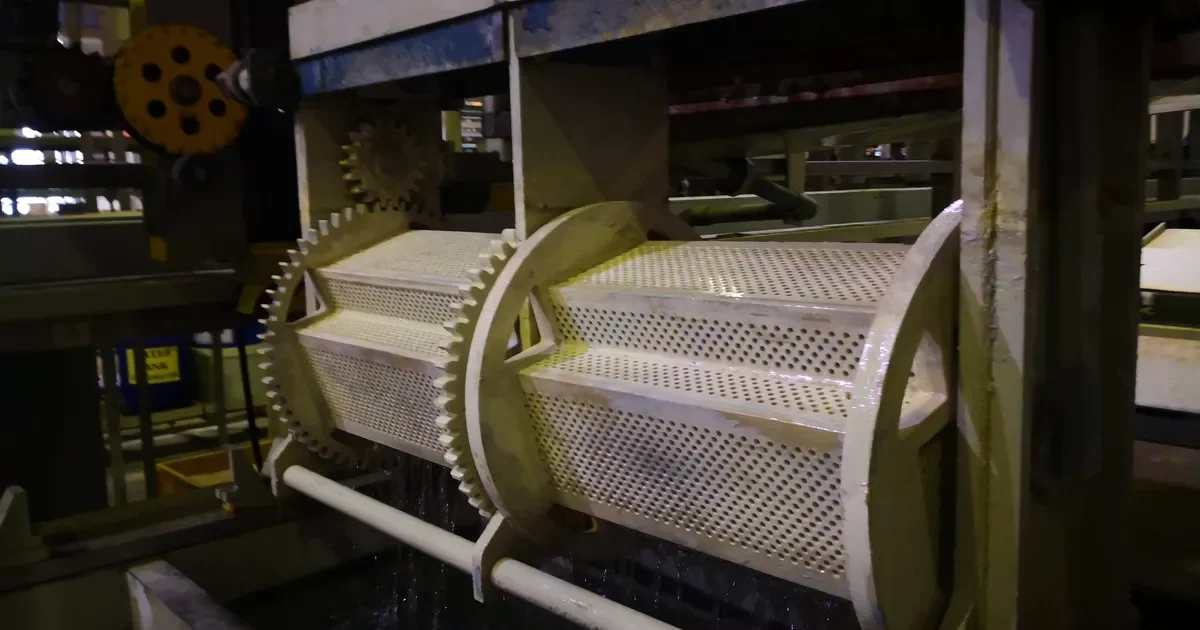
A shop that sells passivated stainless parts is usually selling the work of a second company. Passivation and electropolishing are normally done at a finishing house with its own tanks, queue and quality system. The part leaves your control for a week and comes back with a certificate you did not write. This guide is for the shop owner or quality lead who has to choose that house, qualify it and keep checking it. It lists what to ask, which records to see and what a certificate must carry.
Why the subcontractor is your problem
Your customer buys the part from you, so a failed passivation lot is yours. The quoting guide already puts finishing at the top of the list of places stainless jobs lose money, because it happens at a company with its own price and its own queue.
For medical work the control chain is longer. An FDA hosted audit approach for the Medical Device Single Audit Program says the device maker’s quality system must control the quality of product from suppliers and outsourced processes, and that the degree of purchasing control should match the effect of the supplied product on the finished device. Auditors look at purchasing controls and acceptance activities together. The same document lists suppliers of products and services that require process validation among those auditors consider. Passivation is a chemical treatment whose result is checked by a test, so your customer may ask how you control the house you use. FDA’s Quality Management System Regulation took effect on 2 February 2026 and incorporates ISO 13485:2016 by reference, but the FDA page does not set out supplier rules for a shop like yours. We found no public rule that says what a shop must do with a sub-tier supplier. Ask each customer what their quality agreement expects.
Start with the specification, not the price
ASTM A380, the cleaning and descaling practice, says the purchaser may need to define precisely what “passivation” means and that, unless otherwise specified, it means removal of free iron by acid. ASTM A967 then covers three treatment families: nitric acid immersion, citric acid immersion and electrochemical treatment. It describes its tests as qualitative and makes no recommendation on which grade suits which treatment or on acceptance criteria.
So before you compare houses, decide what you will ask for. The citric against nitric guide covers the choice, and it matters because some grades should not go through nitric: sulphurised grades like 303 and 416 can be attacked, and some hardenable grades can flash attack. A house that says it passivates all stainless the same way has not read the list.
The audit table
Use this table for a first questionnaire and again on a visit. The right column is what should worry you.
| Area | Ask to see | Red flag |
|---|---|---|
| Process specification | Written procedure naming the A967 treatment, with revision, for each grade family you send | One procedure for every grade, or no revision number |
| Bath control | Records of acid concentration, temperature and time per run, and the written check frequency | No records, or checks “when needed” |
| Rinse | Final rinse water check record | No check, or no limit stated |
| Iron contamination | How stainless is kept apart from carbon steel in tanks, baskets, racks and handling | Shared fixtures, or tanks also used for carbon steel |
| Cleaning before the bath | What the house expects from you and what it adds | Parts accepted with cutting fluid on them |
| Verification | The A967 test practice used per lot, who runs it and the records | Test chosen after the fact, or not recorded |
| Certificate | A sample with every field filled in | Blank test line, no lot number |
| Failed lots | Written rework and retest procedure and whether you are told | Quiet reprocessing |
| Handling and packing | Gloves, separation of parts, drying, packaging | Loose parts in a bin |
| Change control | Notice before chemistry, tank or subcontracting changes | No commitment |
Bath records
A vendor summary of the 2013 revision of ASTM A967 lists, for example, a nitric bath of 20 to 25 percent nitric acid with 2.5 percent sodium dichromate at 120 to 130 °F for 20 minutes, and citric baths of 4 to 10 percent by weight at set times and temperatures. It also gives a final rinse limit of 200 ppm total solids, a bath pH of 1.8 to 2.2 and an instruction to rinse immediately. That is a 2013 summary by a plating company, so treat the numbers as directional and check the current revision, A967-25. The audit question is simpler: can the house show that each run used a bath within the ranges of the treatment named on the certificate? We found no source that fixes how often the bath must be tested, so ask for the house’s own written frequency and the last three months of results.
Iron is the enemy
A380 says that precautions should be taken to minimise iron contamination in reuse of cleaning and pickling solutions, water rinsing, circulation of solutions and protection of cleaned surfaces. In plain terms: if the same tank that strips carbon steel also passivates your parts, or if stainless sits in a basket that carried steel, the surface can pick up the iron the treatment is meant to remove. Look at the racks and baskets as well as the paperwork.
A380 also says cleanness depends on the application and that few meaningful tests exist for it, since visual inspection can miss thin oil films. That is why your own cleaning before the parts leave matters. The cleaning steps guide covers it.
Need a quote for this part? Get a quote for your stainless parts
The verification test and the certificate
The house should run an A967 practice on each lot and name it. A supplier summary says one verification test per lot is enough under the standard unless the purchaser asks for more, and that a failed lot can be re-passivated and retested with the sample count doubled. If your customer wants a higher frequency, say it on your purchase order to the house. The test methods guide shows which practice suits which grade. The same summary warns that copper sulfate is not recommended on martensitic 400 series stainless and on ferritic grades under about 16 percent chromium.
A useful certificate carries:
- Your part numbers, purchase order and lot
- The specification and revision, for example ASTM A967/A967M-25, and the treatment type used
- The verification practice, the sample size and the result
- The date and the signature of a named person
- Where relevant, the heat number or a reference that ties the lot to your traveler
Accreditations
Some houses hold aerospace accreditation. Scope certificates for chemical processing under Nadcap list audit criteria AC7108 and, for passivation, AC7108/12, and point to the eAuditNet listing for the current scope and expiry date. That tells you the house is audited against a published criteria set for aerospace work. It does not prove the house suits your part or your customer’s requirement, and we found no rule that demands it for medical or food parts. Read any ISO certificate the way the 13485 against 9001 guide explains: check the scope, not just the logo.
A way to qualify a house
- Questionnaire. Send the table above and read the answers before you visit.
- Sample certificate and records. Ask for a certificate with fields filled and three months of bath and rinse records.
- Visit or video walk-through. Look at tanks, fixtures, drying and packing.
- Trial lot. Send a small lot with parts you can test yourself on return, using a method that suits the grade.
- Written agreement. Record the specification, test practice, sampling, rework rule and notification of changes on your purchase terms.
- Review. Repeat the trial or the records check when results change, when the house changes chemistry or owner and when a customer complaint traces back to finishing.
Keep a short approved list with the date of each review. If a customer asks how you control your finishing, that list and the records behind it are your answer.
If stainless finishing is regular work for you and you want to see requests that spell out passivation standard and test, apply as a partner shop. Our work requests carry the finish and certificate requirements the buyer wrote. We reply within 24 business hours. We hold no certificates for finishing houses.
Sources
- ASTM A967/A967M-25, Chemical Passivation Treatments for Stainless Steel Parts
- ASTM A380/A380M-17, Cleaning, Descaling and Passivation of Stainless Steel Parts
- FDA, Medical Device Single Audit Program, audit approach
- FDA, Quality Management System Regulation (QMSR)
- Advanced Plating Technologies, summary of ASTM A967/A967M-13, vendor summary of an older revision, directional
- Sourcima, Passivation testing and verification, supplier summary of A967, directional
- Nadcap scope of accreditation, chemical processing (example facility certificate), shows the AC7108 criteria structure
Standards revisions change, and we could not read the full text of A967 or A380. Use the revision named on your order and the requirements your customer states.
Frequently asked questions
What should a passivation certificate from a subcontractor show?
At minimum the part numbers and lot, the specification and revision such as ASTM A967 and the treatment used, the verification test practice with its result, the date and a signature. A certificate that does not name the test cannot be compared with another house's, because ASTM A967 leaves the choice of test and the acceptance criteria to the purchaser.
Does a passivation house need Nadcap accreditation?
Not for most stainless work. Nadcap is an aerospace programme run through PRI, and scope certificates list passivation under audit criteria AC7108/12. We found no medical or food rule that demands it. If your customer is aerospace, check the house's scope on eAuditNet. Otherwise follow the requirement on your order.
How often should a shop audit its passivation subcontractor?
We found no public rule. A sensible pattern is a review before the first job, a trial lot with your own check, and a repeat when results, chemistry or ownership change. If your customer makes medical devices, their supplier controls may set a schedule, so ask what they expect of sub-tier suppliers.
Can I just trust the passivation certificate?
Not on its own. ASTM A967 describes its tests as qualitative and makes no recommendation on acceptance, so a certificate shows only that the house ran a test it chose. Ask which practice, how many parts per lot, where the bath record is and what happens to a lot that fails.
Need a quote for this part?
Send the drawing. We read it, send one itemised quote within 24 business hours and place the work with a partner shop that cuts stainless.
Get a quote for your stainless partsFigures in this guide are published specification limits or published typical values for the alloy, not measurements of any part. Machinability is rated against free-machining carbon steel B1112 at 100 and PREN is chromium plus 3.3 times molybdenum plus 16 times nitrogen. The conventions are set out in thereference section and the editorial standards.