How to apply as a stainless partner shop: the grades, certificates and records to put on the form
November 21, 2026
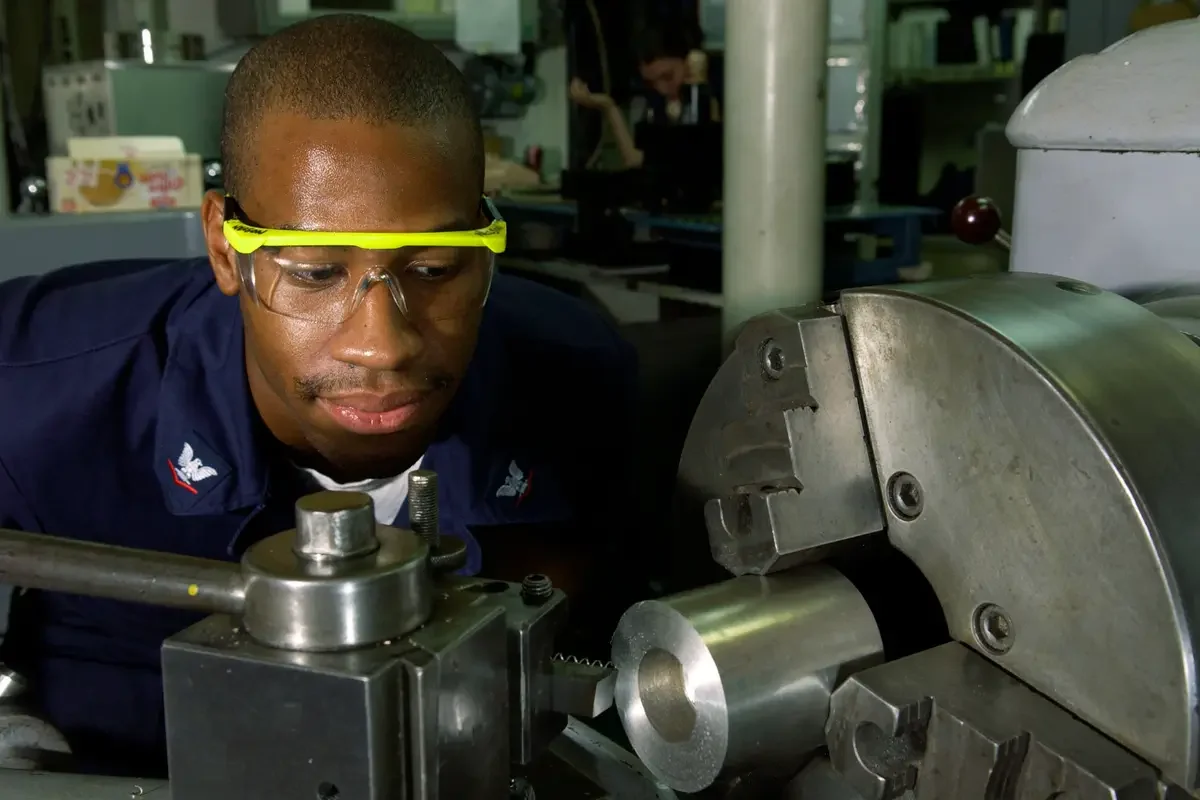
A stainless shop applies as a partner shop by describing its machines, the grades it cuts, the finishing it controls and the documents it can return. Write only what you can show. We work from that description: it decides which work requests reach you and whether you can quote them without three rounds of email. This guide is for the owner or sales engineer of a shop that cuts stainless every week. It lists what to write in each field and what to have ready in a folder before the first request arrives.
We read each RFQ, quote the buyer the finished parts and send the work request to the partner shops that fit. The shop quotes us and receives the purchase order from us.
What a work request tests
A work request shows the shop the part, the grade, the size, the quantity, the tolerance, the finish, the documents and the delivery date. Your application has to answer the same questions from the other side. A shop that cannot say which grades it runs, how large a part it can hold or whether it passivates will get few work requests or the wrong ones.
The table below maps the application fields to what a work request will test.
| Field | What to write | The mistake to avoid |
|---|---|---|
| Machines | Type, axes, number of units, bar capacity for lathes | Listing a machine that is out of service or shared with another site |
| Part envelope | Largest part you can hold in the longest, widest and tallest direction | Quoting the table size and not the usable envelope with the vise |
| Stainless grades | Grades you cut in production, by bar spec where you know it | Adding a grade you have only cut as a sample |
| Quantity range | The batch sizes you quote well, from prototype to repeat orders | Claiming every range |
| Finishing | In house, subcontracted or not offered, per process | Calling passivation “available” without naming who runs it |
| Documents | What you return with each lot | Promising a report you have never produced |
| Certificates | Those you hold, with scope | Listing a subcontractor’s certificate as your own |
| Industries | The sectors you have shipped to | Naming medical when you have shipped no medical work |
Grades: list by what you can quote, not by what you could cut
Stainless is a family, and shops that cut 303 all day are not automatically ready for 17-4 PH or 2205. Write the grades you have cut in production, and note the form and condition where it matters. ASTM A276 covers stainless bars and shapes, and its conditions run from annealed through hardened and tempered to strain hardened and cold worked, so a buyer who writes “17-4 PH” may also mean a specific condition. Our grade selection guide shows how buyers choose, and the free-machining guide explains why a shop strong in 303 may decline a 316L job.
If a grade is new to you, say “testing” and not “yes”. A buyer who needs 316L for a food part will check, and a decline after we send the work request costs both sides time.
Finishing: name who runs it
Buyers on this niche ask about passivation first. ASTM A967 describes chemical passivation by nitric acid immersion, citric acid immersion and electrochemical treatment, and the buyer usually writes the standard on the print. In the finishing field say whether you passivate in house, which treatment you use and which subcontractor runs it if you send it out. If you subcontract, keep its certificate for each lot and read our subcontractor audit guide. If you do not offer a finish, write that too, because a clear “not offered” removes requests you would have to decline.
Documents and certificates: say what you return
The documents field is where many applications stay vague. Write the pieces you can return without extra work.
- Material certificate. Say which type you pass on from your bar supplier. EN 10204 distinguishes a declaration of compliance (2.1), a test report on non-specific inspection (2.2), an inspection certificate with results from the delivered heat (3.1) and a 3.2 certificate that an independent inspector also signs. A buyer who asks for 3.1 expects heat-specific results. Our mill certificate guide shows what to check.
- First article or dimensional report. A first article inspection checks whether a new or changed process produces parts that meet the drawing, and the report records each measured characteristic against a ballooned drawing. Say if you can issue one, and in which format.
- Passivation certificate. The treatment, the standard and the test result for the lot.
- Certificate of conformance. What it states and who signs it.
For certificates, write only what you hold, with the scope. If you hold none, write “none” and list the controls you run. A buyer will check the claim, and our guide on what medical and food buyers check shows how early that check happens.
Need a quote for this part? Get a quote for your stainless parts
The folder to have ready before the first work request
Work requests arrive on the buyer’s schedule. Put these items in one folder so the first reply is quick.
- A sample material certificate with the heat number visible, with the buyer’s name removed.
- A sample first article or dimensional report from a comparable stainless part.
- A sample passivation certificate, or the subcontractor’s.
- Your standard NDA, or a statement that you sign the buyer’s.
- A list of what you need to price a part: drawing, grade and condition, quantity, finish standard, documents and delivery date.
- A rule for when you decline. Our guide to a no-quote reply gives wording.
Then decide who answers. The quoting guide covers pricing a stainless job so it does not lose money, and the lead sources guide lists the other channels shops use, so you can judge where our work requests fit.
What to leave off
- Capacity you do not have. A false claim comes out at the first question.
- Certificates held by others.
- Customer names and past projects you are not free to name.
- Phrases such as “best quality” with nothing behind them. Say the grade, the tolerance you hold and the finish you control.
Talk to us
If this describes your shop, read the partner shops page and talk to us. We reply within 24 business hours. We hold no certificates for anyone, and each shop states its own.
Sources
- ASTM A276/A276M-25, Stainless Steel Bars and Shapes
- ASTM A967/A967M-25, Chemical Passivation Treatments for Stainless Steel Parts
- Wikipedia, First article inspection
- Projectmaterials, EN 10204 certificate types, trade supplier blog, directional
- Wikimedia Commons, US Navy 040727-N-5821P-015 lathe photo, U.S. Navy, public domain

Standard revisions are as published on the dates above. Confirm the requirements in your own quality agreement with the buyer.
Frequently asked questions
What should a stainless shop list when it applies as a partner shop?
List what decides whether you can quote a part: machines and axes, the largest part envelope, the stainless grades you cut in the last year, finishing you run or send out, documents you can return and the certificates you actually hold. Leave out anything you cannot show. A short true list gets better work requests than a long vague one.
Should I list every stainless grade I have ever cut?
No. List the grades you could quote today without guessing at cycle time and tool life. A shop that lists 303 and 304 and later receives a 17-4 PH RFQ will be asked about heat treatment condition and may have to decline. Add a grade when you have cut it in production.
What if I hold no ISO certificate?
Say so. Many requests do not need one, and a buyer who does need one will check. Describe the controls you run instead, such as heat numbers on the traveler, calibrated gauges and a first article report. A false certificate line costs you the work and the trust that comes with it.
How quickly do I need to answer a work request?
Within 48 hours, which is what we ask of every partner shop. The buyer is waiting for our quote, and a late reply loses the job before the price is read. Decide who watches the inbox, what you need to price a part and when you decline. If you cannot hold the tolerance or the finish, a short no is better than a quote you will miss.
Need a quote for this part?
Send the drawing. We read it, send one itemised quote within 24 business hours and place the work with a partner shop that cuts stainless.
Get a quote for your stainless partsFigures in this guide are published specification limits or published typical values for the alloy, not measurements of any part. Machinability is rated against free-machining carbon steel B1112 at 100 and PREN is chromium plus 3.3 times molybdenum plus 16 times nitrogen. The conventions are set out in thereference section and the editorial standards.